
Jell-O did not start as the colorful treat everyone knows today. It began as an invention that tried to bring luxury to everyday people. In the 1800s, gelatin desserts required hours of boiling animal bones and skimming homemade stock, making them a treat only the wealthy could afford. That changed in 1845 when industrialist Peter Cooper patented powdered gelatin.
The real spark came in 1897 in Le Roy, New York, when Pearle Bixby Wait and his wife, May, mixed fruit flavorings with granulated gelatin and sugar. May named it Jell-O, a short and catchy name that felt modern for the time.
The new product struggled right away. By 1899, Wait sold the trademark to his neighbor, Orator Francis Woodward, for just $450. Woodward’s Genesee Pure Food Company did not have much better luck at first. Sales were so slow that Woodward once offered to sell the entire business to his superintendent for a tiny $35.
In 1902, he launched a national marketing push, placing ads in the Ladies' Home Journal and sending salesmen across the country with free cookbooks. The idea worked fast. Sales jumped from zero to $250,000 in 1902, and by 1909, the brand had surpassed the million-dollar mark.
Becoming a Cultural Star
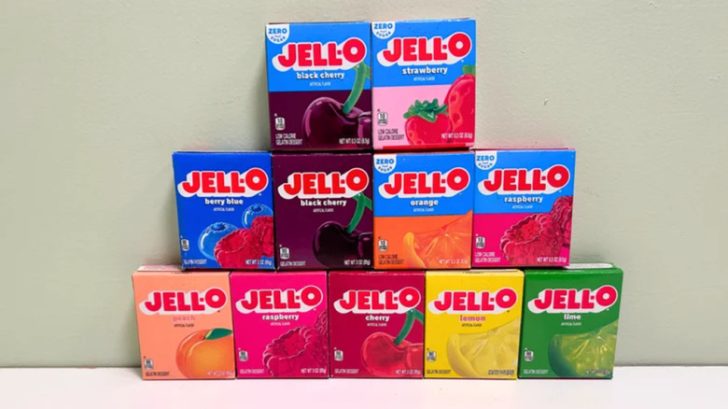
GTN / Jell-O’s rise to the top of American food culture was not an accident. It was the result of sharp marketing that made the dessert feel friendly, safe, and fun.
The company cultivated a wholesome image that resonated with families. One of its smartest moves came in 1904 when it introduced the Jell-O Girl. She was four years old and became the face of the brand for nearly three decades.
Famous artists like Norman Rockwell and Maxfield Parrish drew dreamy illustrations that made Jell-O feel timeless and nostalgic. The brand became even bigger in 1934 when it sponsored Jack Benny’s hit radio show. The opening, with voices singing “J E L L O,” became part of American pop culture.
Jell-O also grew because it was flexible in the kitchen. It was not only a dessert. When lime flavor arrived in 1930, it sparked a wave of congealed salads that helped families stretch their meals during the Great Depression and World War II. By the 1950s, these molded creations reached peak popularity.
When the Shine Started to Fade
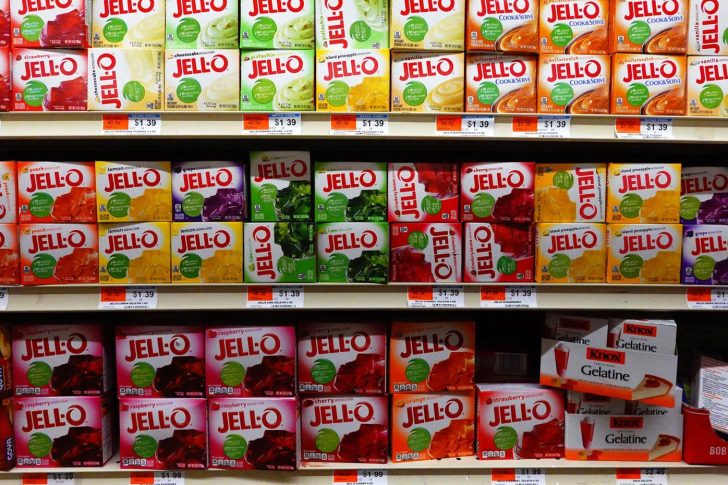
The News / By the 1960s, Jell-O tried to keep its momentum going with the slogan “There’s always room for Jell-O.”
It was a smart line, but cultural tastes were changing fast. Molded salads and layered desserts began to feel old-fashioned. Younger families wanted quick snacks that required no chilling time and no special molds. More households had two working parents, which left less time for planning. A 1986 study showed that young mothers rarely bought Jell-O at all.
The brand needed a new spark, and it found one in the early 1990s. The first part of the comeback was the rediscovery of an old recipe that created thick, bouncy gelatin shapes. The team reintroduced them as Jell-O Jigglers, and they quickly became popular with kids.
The second part of the push centered on Bill Cosby, who had been a spokesperson since 1974. He became the face of the Jigglers campaign and helped launch new products like sugar-free varieties and pudding pops. The campaign brought a big bump in sales and pulled Jell-O back into the mainstream for a while.
Even with brief boosts, Jell-O eventually faded again. Food trends kept shifting, and the brand struggled to feel current. That is why, in 2023, Jell-O rolled out its first major rebrand in ten years. The update aimed at younger shoppers who want something joyful, bold, and a little quirky. Kraft Heinz teamed up with the branding agency BrandOpus to rethink the look from the ground up.